 AFI Precision Check
MILKING MACHINE SPARE PARTS
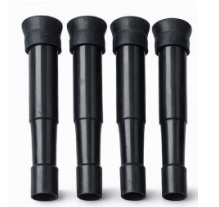
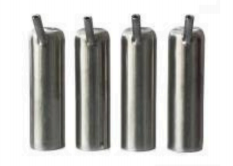
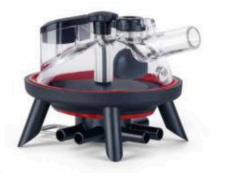
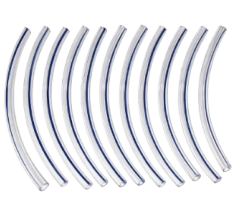
Valve Set — Air Control Valves for the Pulsation System
- A set of small air control valves used within the pulsation mechanism to regulate the timing of air flow
- Directly affects pulsation accuracy — a worn valve throws off the rhythm that drives the milking action
- Sold as a set rather than a single valve, since these components typically wear together with regular use
(25 Reviews)
VERIFIED QUALITY
In Stock - Ready for Dispatch