 AFI Precision Check
MILKING MACHINE SPARE PARTS
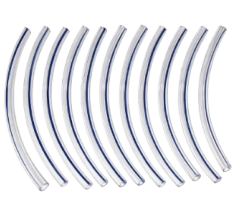
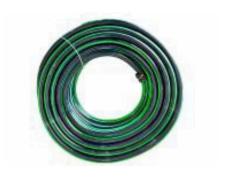
Vacuum Hose — Carries Vacuum Pressure from the Pump to the Milking System
- The main line carrying vacuum pressure from the vacuum pump to the rest of the milking system
- Heavier-duty than the smaller pulse and milk tubes, since it handles the machine's core vacuum supply, not a single cluster's connections
- A leak or crack here affects the entire machine's vacuum level, not just one cluster — worth checking first if overall milking performance drops
(25 Reviews)
VERIFIED QUALITY
In Stock - Ready for Dispatch