 AFI Precision Check
MILKING MACHINE SPARE PARTS
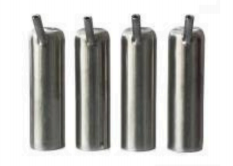
Teat Shell — The Rigid Outer Casing That Houses the Liner
- The rigid outer shell (usually stainless steel) that the flexible Melasty Liner sits inside — the two work together but wear at very different rates
- Structural, not flexible — this part rarely needs replacement as often as the liner it houses, but does eventually wear or dent with age
- Creates the vacuum chamber around the liner that's essential to the pulsation mechanism working correctly
(25 Reviews)
VERIFIED QUALITY
In Stock - Ready for Dispatch