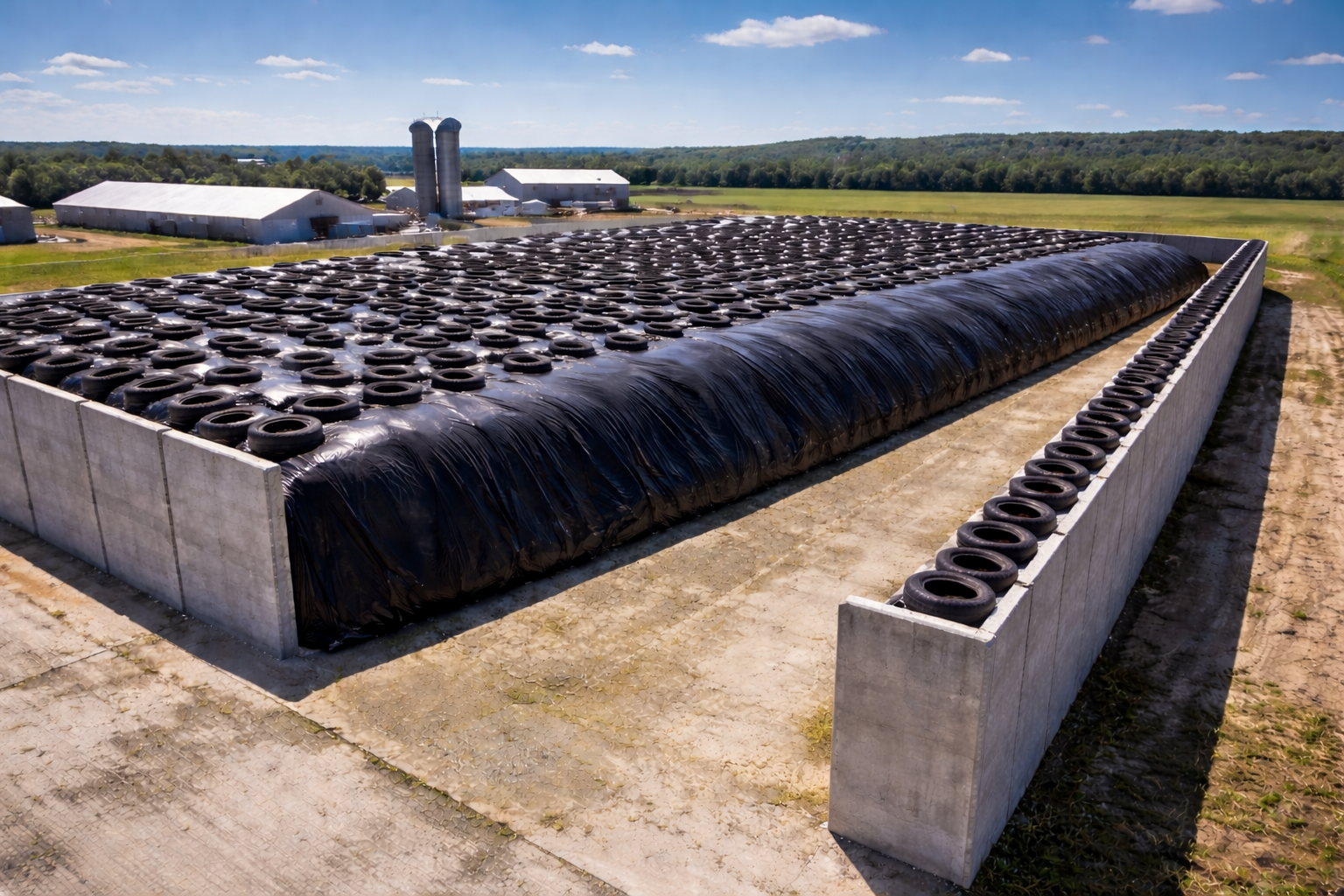
Silage Bunker Top Cover
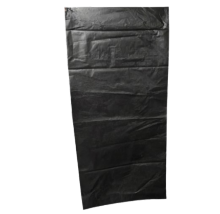
A silage bunker top cover is an essential agricultural tool used to create an airtight, watertight seal over stored forage to facilitate proper fermentation and prevent spoilage. These heavy-duty covers block out oxygen and precipitation while reflecting sunlight to manage internal heap temperatures.
The key to a high-quality silage bunker involves proper filling, packing, and sealing.
1. Structure & Capacity
- Design: Usually consists of a concrete floor and two to three sturdy walls. The floor often slopes slightly to allow moisture drainage.
- Calculating Capacity: The volume of the bunker determines its capacity, which varies based on how tightly the feed is packed (typically between 13 to 42 pounds of dry matter per cubic foot). You can use the University of Wisconsin Packing Density Spreadsheet to estimate capacity.
2. Filling and Packing
- The Wedge Technique: Silage should be built up in a "progressive wedge" or sloping ramp.
- Layering: The chopped green fodder should be laid in thin layers of about \(6\) inches (\(15\) cm).
- Packing: Heavy tractors or packers continuously drive over the pile to compress the feed, squeeze out the oxygen, and prevent mold and spoilage. The recommended packing weight can be estimated by multiplying the tons of crop delivered per hour by \(800\) lbs.
- Layering: The chopped green fodder should be laid in thin layers of about \(6\) inches (\(15\) cm).
- Packing: Heavy tractors or packers continuously drive over the pile to compress the feed, squeeze out the oxygen, and prevent mold and spoilage. The recommended packing weight can be estimated by multiplying the tons of crop delivered per hour by \(800\) lbs. [1, 2, 3]
3. Sealing
- Airtight Cover: Once the bunker is filled, it must be completely sealed off from the air. Farmers use oxygen-barrier plastic sheets to cover the entire pile.
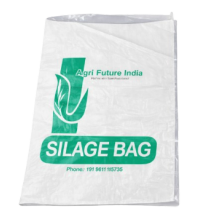
- Weighting: The plastic is held down tightly using sandbags around the edges and a layer of large tires (often truck sidewalls) covering the whole surface.
- Fermentation: After 45 to 60 days of air-tight fermentation, the bunker can be opened and the fermented feed is ready to be used. [1, 2, 3, 4]