SILAGE BAGS & SILAGE PRODUCTS
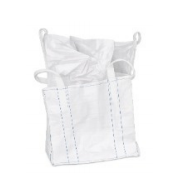
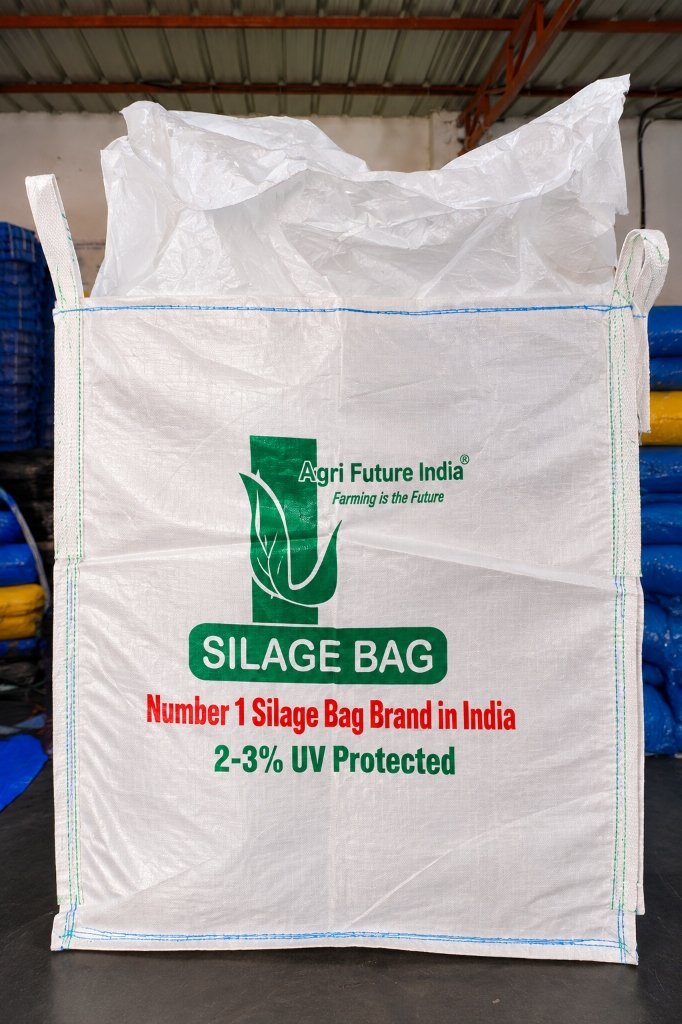
Silage Bag 2000KG — 2-Tonne Storage for Large Commercial Dairy Operations
- 2-tonne capacity — built for large commercial farms and dairy cooperatives managing serious fodder volumes
- Industrial-grade reinforcement to handle the significant structural load of packed bulk fodder
- Positioned between the 1000kg commercial entry size and the 3000kg–5000kg top-tier bags
(25 Reviews)
VERIFIED QUALITY
In Stock - Ready for Dispatch