 AFI Precision Check
MILKING MACHINE SPARE PARTS
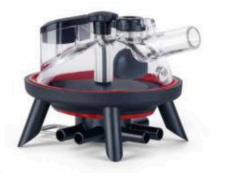
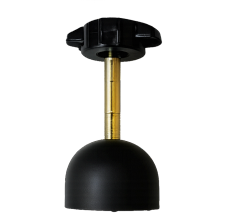
Shut-Off Valve — Isolates a Cluster's Vacuum When a Teat Cup Comes Off
- Automatically or manually isolates vacuum to a single cluster when a teat cup is removed or falls off during milking
- Prevents the rest of the machine from losing vacuum pressure when one cluster is disconnected
- Also protects against excess air being pulled through an exposed cluster, which is uncomfortable for the animal and disruptive to milking rhythm elsewhere
(25 Reviews)
VERIFIED QUALITY
In Stock - Ready for Dispatch