

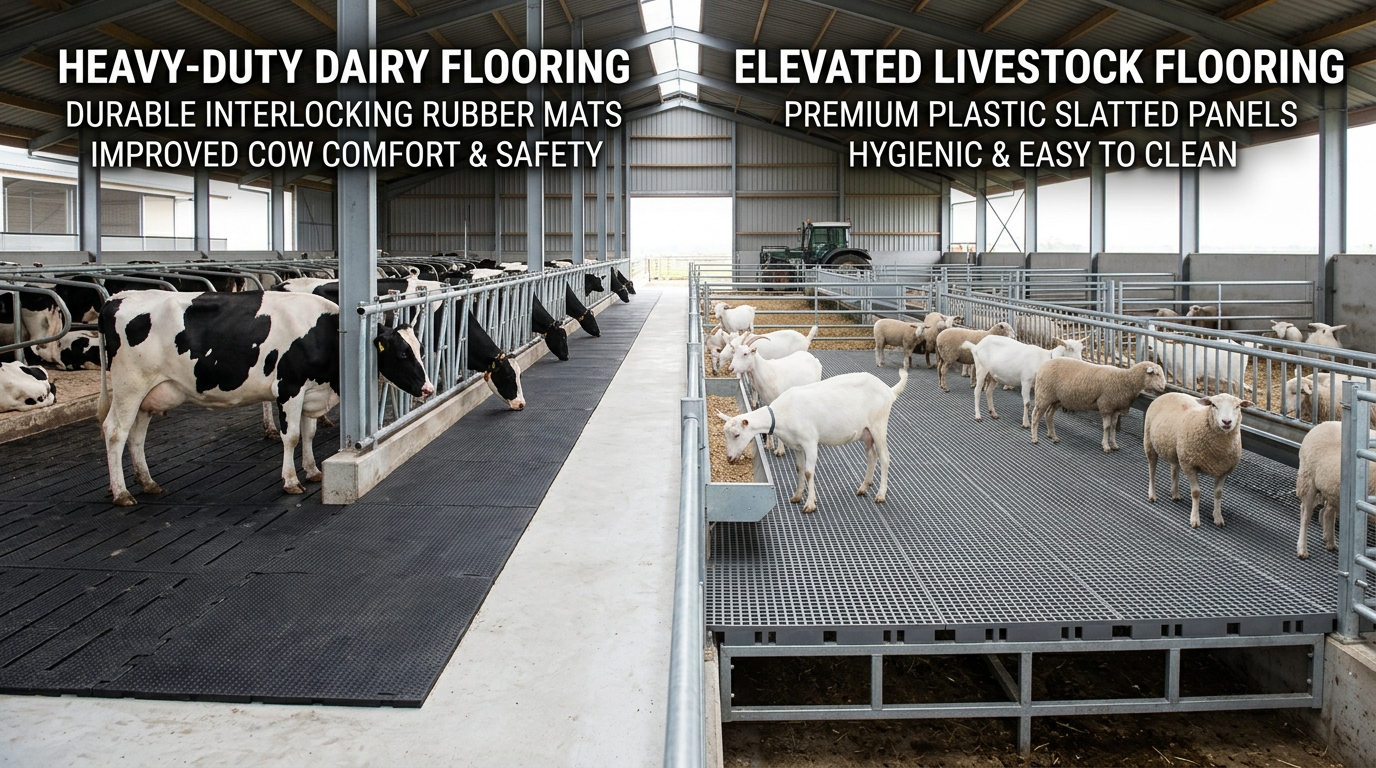

Ratlam sits within one of the few tracts in India where opium poppy can be legally cultivated at all, grown strictly under license from the Central Bureau of Narcotics for pharmaceutical use, with every field individually measured and the entire crop tendered to the government at a fixed price. Alongside this closely regulated crop, soybean remains the district's largest by area, farmed across the same fertile Malwa plateau soil found in neighboring districts. Both crops demand real attention during their seasons, and many households pair them with livestock to round out household income. Our equipment is built to stay out of the way of an already demanding farm calendar.
 Space-Efficient
Manufactured from premium virgin composite polymers with a specialized waste-droppage gap size that keeps hooves safe while letting manure fall through, for a dry, disease-free floor that needs minimal daily upkeep during Ratlam's most labor-intensive farming weeks.
Explore Range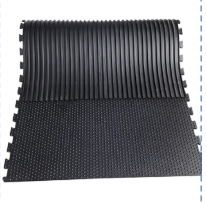 24mm-28mm Thickness
High-density rubber with a targeted micro-texture surface, replacing bare concrete to cushion joints, protect against hock lesions, and stay hygienic with minimal daily oversight.
Explore Range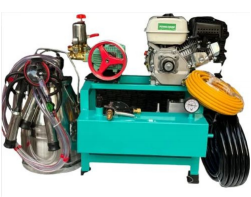 Single-Phase Compatible
Built with food-grade SS-304 buckets and balanced vacuum pumps that run smoothly on rural single-phase power, minimizing herd stress during milking.
Explore Range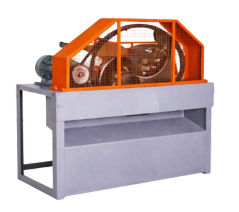 Motorized Operation
Heavy-duty motorized chaff cutters built for soybean and wheat crop residues common across this Malwa plateau belt.
Explore RangeBeing one of the few licensed opium-growing tracts in India, alongside a substantial soybean economy, creates a distinct set of priorities:
Government-regulated poppy cultivation requires cultivators to meet strict yield standards, with harvest involving daily hands-on collection over several weeks. Households managing this alongside livestock benefit enormously from flooring that needs essentially no daily intervention during this stretch.
Soybean remains Ratlam district's largest crop by cultivated area, giving most farms a more conventional cropping rhythm alongside any licensed cultivation they may also undertake. Livestock fits naturally into this wider Malwa plateau farming pattern.
With individually measured fields and strict compliance requirements built into one of the district's core crops, Ratlam farmers are accustomed to a level of documentation and process discipline that few agricultural regions experience.
Ratlam's black-soil farmland and semi-arid climate closely resemble conditions found across neighboring districts of this plateau, supporting a broadly similar mix of oilseed and cereal crops alongside livestock keeping.
| Feature / Equipment | Heavy-Duty Plastic Slats | Premium Rubber Cow Mats | Motorized Milking Systems |
|---|---|---|---|
| Material Build | High-Impact Virgin Polymers | High-Density Anti-Skid Rubber | Food-Grade SS-304 / Powder Chassis |
| Built For | Elevated Goat & Sheep Sheds | Concrete Milking Parlors & Cow Barns | Malwa-Belt Dairy Sheds |
| Ratlam-Region Fit | Minimal upkeep during licensed-crop harvest weeks | Low daily oversight needed | Stable on rural single-phase power (0.5-1 HP) |
| Key Advantage | Self-cleaning waste gaps, fits a demanding farm calendar | 24mm-28mm cushioning, hock protection | Low herd stress, fits smaller mixed-crop households |
| Local Delivery | Pan Ratlam-region district, incl. Jaora & Alot | Pan Ratlam-region district | Pan Ratlam-region district, install support included |
| Warranty & Support | 3-year replacement warranty | 1-year replacement warranty | 1-year motor manufacturer warranty |
Engineered solutions for healthier, cleaner, and more productive livestock farms in Ratlam.
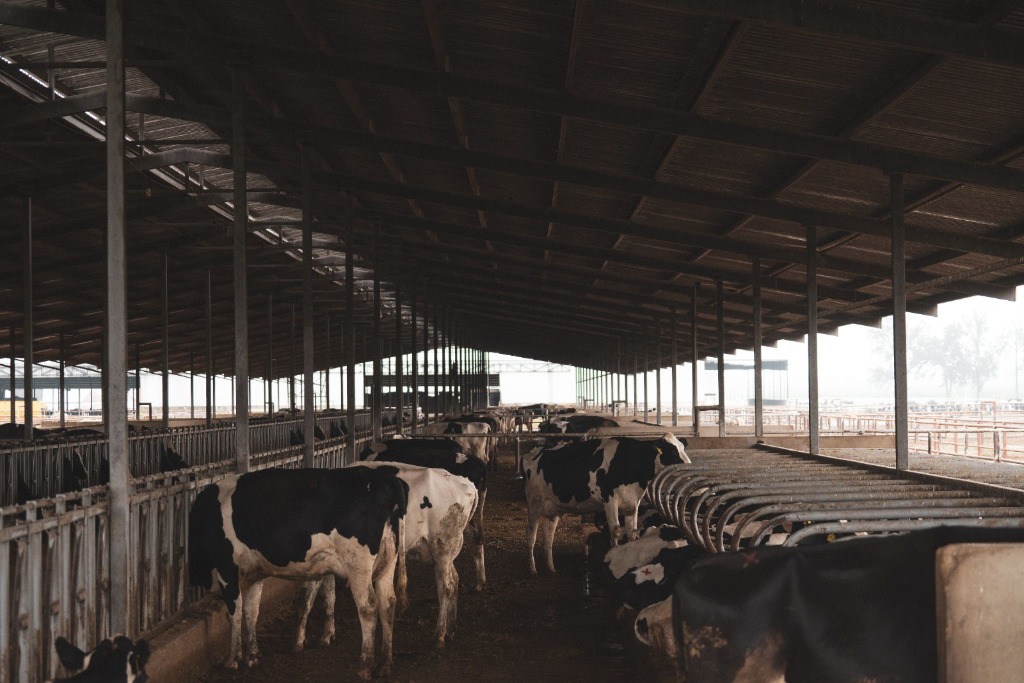
Clean, hygienic flooring and farm equipment designed for higher milk production and better animal comfort.
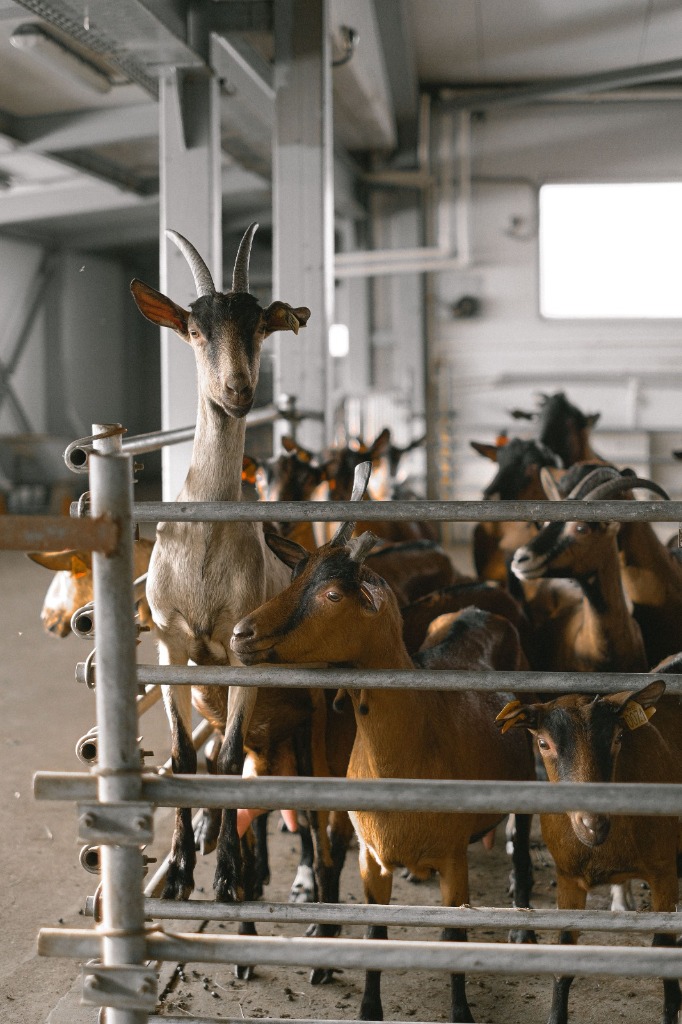
Dry, elevated housing that improves hygiene, hoof health, and overall animal welfare.
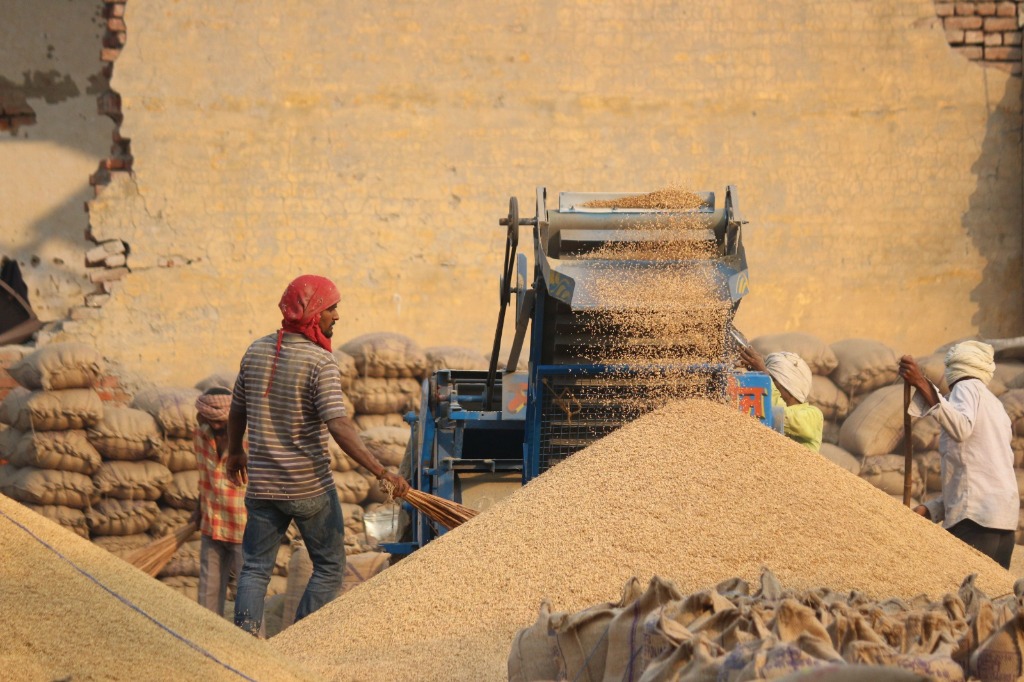
Versatile equipment for farms managing cattle, goats, and sheep together on the same property.
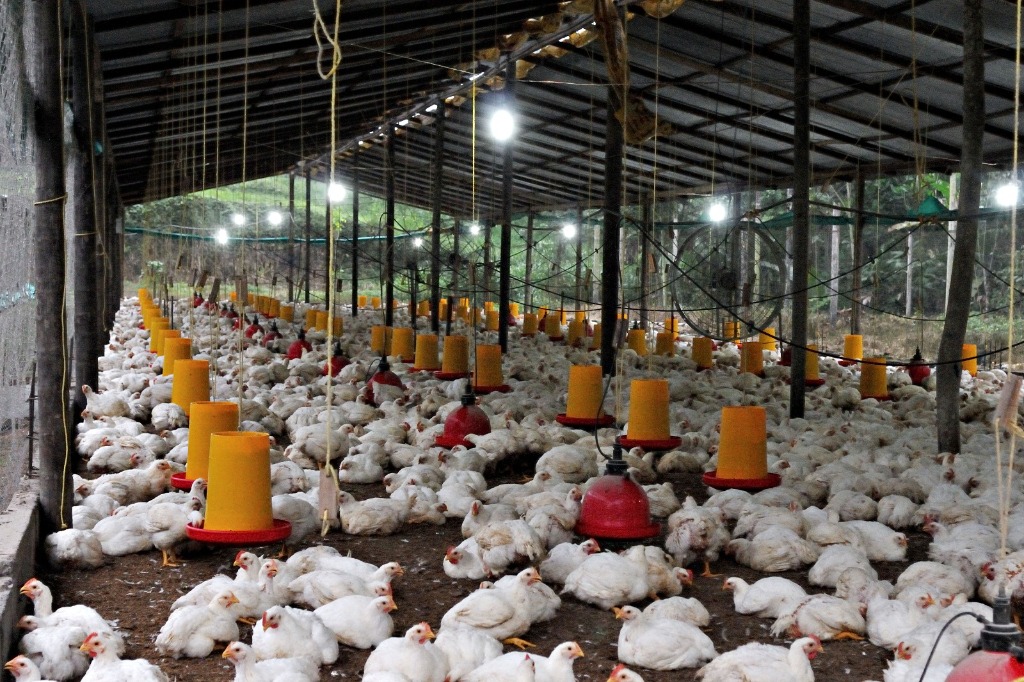
Durable flooring and farm solutions for clean, efficient, and disease-controlled poultry operations.
See how our durable plastic slatted flooring is produced using high-quality materials and precision manufacturing.
Watch how farmers use our silage bags with hydro press machines to prepare high-quality silage.
Learn how proper silage storage helps preserve nutrients, reduce spoilage, and provide healthy feed for dairy cattle.
See our 3-in-1 milking machine being used by dairy farmers for faster, cleaner, and more efficient milk collection.
Here's what happens after you order, start to finish:
Your order is scheduled onto our tracked delivery route covering the Ratlam region, from city limits to interior villages near Piploda and Bajna.
Slats, mats, or machinery ship directly from our factory to your farm gate — no need to arrange transport yourself.
Most flooring is interlocking and plug-and-play, designed to fit into a farm calendar that's often already demanding. Step-by-step video guides are provided.
Replacement slats, mat liners, and machine tubing are kept in stock and dispatched promptly, so a damaged section doesn't mean waiting weeks for a fresh order.
Bengaluru, Mysuru, Hubballi, Belagavi, Tumkur, Mandya, Hassan, Kolar
Chennai, Coimbatore, Madurai, Salem, Tiruchirappalli
Kochi, Thrissur, Kozhikode, Palakkad and high-humidity regions.
Visakhapatnam, Vijayawada, Guntur, Hyderabad, Warangal
Pune, Nagpur, Nashik, Kolhapur, Mumbai
Delhi NCR, Ahmedabad, Rajasthan, Punjab, Haryana, UP, Kolkata
We export industrial-grade plastic slat flooring, rubber mats, and farm machinery to international destinations.
Share your international port or delivery address for a detailed freight timeline and global quote.
You buy factory-direct from our Bangalore facility, without the margin a local dealer or middleman would normally add.
Our low-maintenance flooring fits households managing intensely busy harvest weeks alongside daily livestock care.
Our specs work equally well for the district's larger-scale, more conventional cropping pattern.
Same industrial certification standard applied to every batch shipped into the Ratlam region.
Reachable over the same WhatsApp channel used for installation help — no separate support escalation needed.
"Switched from wood to plastic slats last year — cleaning the shed takes a fraction of the time now, and my goats haven't had a single hoof issue since."
"The 3-in-1 milking machine cut our milking time in half and the cows settled into it within days. Best investment for our dairy farm."
"Good quality product, works as expected, and support on WhatsApp actually responds — that alone is reason enough to recommend AgriFuture."
"During the licensed crop's harvest weeks there's barely time to breathe, let alone spend extra time on the shed. Having flooring that just doesn't need much from us during that stretch has made a real difference."
"Soybean is what most of our land goes toward, and the goats are what we keep alongside it for steadier income. The shed has never been the hard part of managing both."
Get a factory-direct quote on premium plastic slats, durable cow mats, and modern milking gear. Secure delivery and full setup assistance straight to your farm anywhere in Ratlam, Jaora, Alot, or Sailana.