 AFI Precision Check
MILKING MACHINE SPARE PARTS
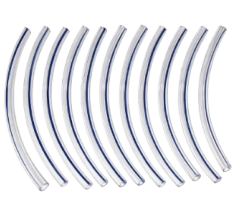
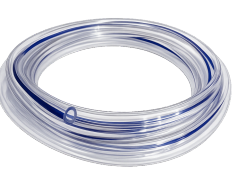
Pulse Tube (1m) — Carries the Air Pulses That Drive the Milking Action
- A dedicated pulsation-line tube, separate from the milk tube — it carries rhythmic air pulses, not milk
- 1-metre length, sized for standard runs between the pulsator and the teat cup cluster
- A cracked or perished pulse tube throws off pulsation rhythm, which can affect both milking speed and udder health over time
(25 Reviews)
VERIFIED QUALITY
In Stock - Ready for Dispatch