 AFI Precision Check
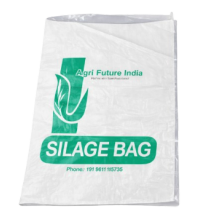
SILAGE BAGS
Pond Liner 500 Micron — Heavy-Duty Liner for Large or Permanent Ponds
- The thickest and most durable option in our pond liner range, built for permanent installations and demanding use
- The recommended choice for fish farming and aquaculture, where liner integrity over years of continuous water contact matters most
- Highest puncture and tear resistance, best suited to larger ponds or ground conditions that aren't perfectly smooth
(25 Reviews)
VERIFIED QUALITY
In Stock - Ready for Dispatch