 AFI Precision Check
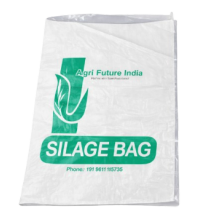
SILAGE BAGS
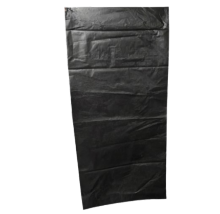
Pond Liner 400 Micron — Our General-Purpose Farm Pond Liner
- The middle thickness in our range, and typically the most commonly chosen — a practical balance of durability and cost for standard farm pond use
- More puncture- and wear-resistant than the 300 micron option, without the added material cost of the 500 micron tier
- Suited to standard farm water storage ponds used across multiple seasons, not just a single cycle
(25 Reviews)
VERIFIED QUALITY
In Stock - Ready for Dispatch