 AFI Precision Check
MILKING MACHINE SPARE PARTS
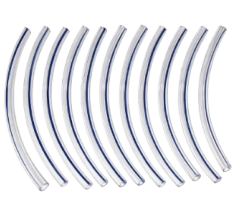
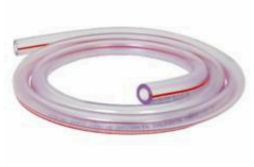
Milk Tube (1m) — Food-Grade Tubing That Carries Milk from Claw to Bucket
- Food-grade tubing that physically carries milk from the claw assembly to the collection bucket
- 1-metre length, sized for standard runs used across our milking machine range
- A different function from the Pulse Tube — this one carries milk, not air pulses, and hygiene matters more here than anywhere else in the system
(25 Reviews)
VERIFIED QUALITY
In Stock - Ready for Dispatch