 AFI Precision Check
MILKING MACHINE SPARE PARTS
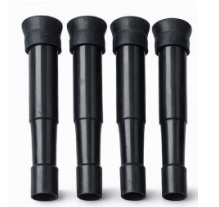
Melasty Liners (27mm) — The Flexible Rubber Sleeve That Contacts the Teat Directly
- The flexible rubber inner liner that sits inside the rigid teat cup shell and makes direct contact with the teat during milking
- 27mm refers to the liner's bore diameter — sizing needs to match your herd's teat size for both milking effectiveness and animal comfort
- One of the most frequently replaced parts on any actively used milking machine, since it's the component under the most repeated mechanical stress
(25 Reviews)
VERIFIED QUALITY
In Stock - Ready for Dispatch