 AFI Precision Check
MILKING MACHINE SPARE PARTS
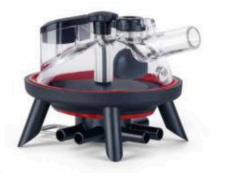
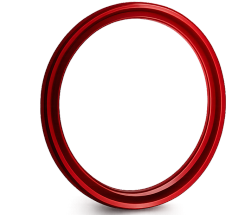
Claw Gasket — Seals the Claw Assembly Against Vacuum and Milk Leaks
- A rubber sealing gasket fitted inside the claw — the component where milk from all four teat cups collects before flowing to the bucket
- Prevents both vacuum loss and milk leakage at the claw's internal seal points
- A worn gasket is one of the most common causes of a claw that leaks or loses suction, and it's a cheap, quick fix compared to replacing the whole claw
(25 Reviews)
VERIFIED QUALITY
In Stock - Ready for Dispatch